• +228 872 4444
  • +775 872 4444
  • contact@email.com
Project
  • Home
  • Login
  • Benefits of soaps
  • Ancient soaps
  • Soaps for Women
  • Soaps for Men
  • Soaps for Children
Sign In

Temu banner

Temu

Home

Featured

Soaps in Ancient Greece

Kavvadias Content marketing 27 March 2025 Hits: 195

The Use of Soaps in Ancient Greece and the Myth of Sappho

Introduction

Soap, as we know it today, is a relatively modern invention, but the concept of cleansing agents dates back to ancient civilizations. Among these, the ancient Greeks played a crucial role in the development of early soap-like substances and bathing rituals. Unlike modern soap, which relies on chemical saponification, ancient Greek cleansing methods depended largely on natural oils, ashes, and other organic materials.

In addition to their use of soaps, the Greeks held a deep appreciation for beauty, cleanliness, and personal hygiene, closely associating these with health and divine favor. This article explores how ancient Greeks maintained hygiene, the substances they used in place of modern soap, and the cultural importance of cleanliness. Alongside this, we will also delve into the myth of Sappho, the famous poetess of Lesbos, whose life and work remain shrouded in mystery and legend.


Hygiene and Bathing in Ancient Greece

The Importance of Cleanliness

Cleanliness in ancient Greece was not merely a matter of hygiene but was also linked to religious and social values. Public baths, gymnasia, and personal grooming played essential roles in daily life. Bathing was a ritualistic practice, often performed before religious ceremonies or social gatherings. Greek philosophers, such as Hippocrates, even associated cleanliness with good health, encouraging the use of various natural substances to cleanse the body.

Although the Greeks did not have soap in the modern sense, they developed alternative cleaning methods using natural materials. The most common of these included olive oil, sand, ash, and clay.

Ancient Greek "Soaps" and Cleansing Methods

  1. Olive Oil and Strigils
    One of the most widespread cleaning methods involved rubbing the body with olive oil, then scraping it off using a tool called a strigil. This practice, borrowed from the Egyptians and adopted by the Romans, was especially popular among athletes. The oil acted as a moisturizer while also trapping dirt and sweat, which were then removed with the strigil.

  2. Ash and Clay
    Ashes from burnt wood or plant material were mixed with water to create an alkaline paste, which had mild cleansing properties. This is similar to the earliest known forms of soap, discovered in Mesopotamian civilizations. Likewise, clay was used for its absorbent qualities to remove oils and dirt from the skin.

  3. Herbal Infusions
    The Greeks frequently infused their bathing water with herbs such as thyme, rosemary, and lavender. These natural ingredients added fragrance and had antimicrobial properties, helping to keep the skin fresh and clean.

  4. Wine and Vinegar
    The antiseptic properties of wine and vinegar were sometimes used to cleanse wounds or as a crude form of antibacterial wash. These substances also had minor exfoliating effects, making them beneficial for skin care.

Public Baths and Social Bathing

Bathing in ancient Greece was not merely a personal activity but a social one. Although large-scale public baths became more popular in the Roman era, the Greeks had their own versions, often found in gymnasia and public buildings. These baths included cold and hot water pools, where individuals could wash, relax, and socialize. Greek men, in particular, would discuss philosophy, politics, and daily affairs while bathing, reinforcing the link between cleanliness and intellectual discourse.

Women, on the other hand, primarily bathed in private settings, often using luxurious oils and perfumes to maintain cleanliness. Wealthier Greek women had elaborate bathing rituals, sometimes assisted by slaves who would prepare their cleansing mixtures.


The Myth and Legacy of Sappho

Who Was Sappho?

Sappho was a lyric poet from the island of Lesbos, born around 630 BCE. Her poetry, known for its deeply personal and emotional themes, focused on love, desire, and beauty. Though much of her work has been lost, fragments of her poems survive, offering glimpses into her artistry and passion. Sappho’s poetry was so revered in antiquity that Plato referred to her as the "tenth Muse."

Her life, however, is surrounded by mystery and myth. Some historical accounts suggest that she led a community of women devoted to poetry, music, and education. Others have speculated about her romantic relationships, particularly with women, which led to the modern association of her name with lesbian love. However, many of these interpretations are influenced by later readings of her work rather than concrete historical evidence.

The Myth of Sappho's Death

One of the most enduring myths about Sappho is the story of her tragic death. According to later sources, Sappho fell in love with a beautiful young man named Phaon. He was either a ferryman or a divine figure blessed with extraordinary beauty. Despite her passionate love for him, Phaon did not return her affections. Heartbroken, Sappho is said to have leaped to her death from the cliffs of Leucadia, a location associated with unrequited love and despair.

This legend, however, is widely considered fictional. It was likely a later invention, possibly created by Greek and Roman writers who sought to fit Sappho’s life into a traditional tragic love story. The myth of Sappho’s leap from Leucadia bears striking similarities to other stories in Greek mythology, such as those of Aphrodite and Adonis or the tragic romances of mythological heroines.

Sappho’s Influence on Greek Culture

Despite the myths surrounding her life, Sappho's legacy endures primarily through her poetry. She revolutionized Greek literature by shifting the focus from epic narratives of gods and heroes to personal emotions and individual experiences. Her use of the first-person perspective, musical rhythm, and vivid imagery set a precedent for later poets.

Her themes of love, longing, and personal reflection resonated deeply with audiences both in her time and throughout history. Many later poets, including the Roman writer Catullus, drew inspiration from her work. Even today, Sappho is celebrated as a pioneer of lyrical poetry and a symbol of female creativity and expression.


The Connection Between Sappho and Ancient Greek Bathing Culture

Sappho's poetry often included references to beauty, self-care, and the sensuality of the body, making it easy to draw connections between her work and ancient Greek bathing culture. In many of her fragments, she describes the softness of skin, the glow of youthful beauty, and the scents of perfumed oils—elements that were integral to Greek hygiene practices.

Additionally, as a poet who wrote extensively about love and sensuality, Sappho’s world would have been closely tied to the practices of anointing the body with oils, fragrant bathing, and other self-care rituals that emphasized beauty and attraction. The act of bathing and cleansing in ancient Greece was not just about hygiene; it was an art form and a celebration of physical allure, themes that resonate strongly in Sappho’s verses.


Conclusion

Soap, as understood today, did not exist in ancient Greece, but the Greeks developed sophisticated cleansing practices using olive oil, ash, clay, and herbal infusions. Their approach to hygiene was deeply intertwined with their culture, religion, and social structures, demonstrating the importance they placed on cleanliness and physical well-being.

Similarly, the life and poetry of Sappho offer insights into the personal and emotional dimensions of ancient Greek society. While myths such as her tragic death may be romanticized fabrications, her poetry remains a testament to the timeless human experience of love, beauty, and longing.

Both ancient Greek hygiene practices and Sappho’s poetry reveal a civilization that deeply valued both physical and emotional refinement. Whether through bathing rituals or poetic expression, the Greeks sought to elevate the human experience, leaving behind a cultural legacy that continues to inspire today.
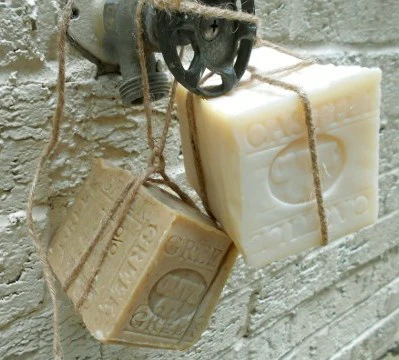
ancient greek soaps
Featured

Benefits of natural soaps

Kavvadias Content marketing 27 March 2025 Hits: 253

The Benefits of Natural Soaps: Why You Should Make the Switch

In today’s world, where consumers are becoming increasingly aware of the ingredients in their everyday products, natural soaps are gaining popularity. More people are turning away from commercial soaps, which often contain harsh chemicals, artificial fragrances, and synthetic detergents, in favor of handmade, natural alternatives.

Natural soaps are made from organic oils, butter, herbs, essential oils, and other plant-based ingredients that nourish the skin while providing gentle cleansing. Unlike mass-produced soaps that can strip the skin of its natural oils and lead to irritation, natural soaps work harmoniously with the body’s natural balance.

In this article, we will explore the many benefits of using natural soaps and why you should consider making the switch.


1. Natural Ingredients that Nourish Your Skin

One of the biggest advantages of using natural soaps is their pure and wholesome ingredients. Unlike conventional soaps, which contain synthetic compounds, natural soaps are made from plant-based ingredients that benefit the skin. Some of the key ingredients commonly found in natural soaps include:

  • Olive Oil – Rich in antioxidants and vitamins, olive oil helps to keep skin hydrated and soft.

  • Coconut Oil – Known for its antibacterial and antifungal properties, coconut oil provides deep cleansing and nourishment.

  • Shea Butter – Packed with vitamins A and E, shea butter is excellent for moisturizing and soothing dry or irritated skin.

  • Essential Oils – Extracted from plants, essential oils offer therapeutic properties and natural fragrance.

  • Herbs and Botanicals – Ingredients like lavender, chamomile, and tea tree provide anti-inflammatory and healing benefits.

Because natural soaps contain these nutrient-rich ingredients, they can help improve skin texture, reduce irritation, and prevent dryness.


2. Free from Harsh Chemicals and Toxins

Most commercial soaps contain a long list of harmful chemicals that can be damaging to both the skin and overall health. Some of the most common ingredients in synthetic soaps include:

  • Sodium Lauryl Sulfate (SLS) & Sodium Laureth Sulfate (SLES) – These detergents create lather but can strip the skin of natural oils, leading to dryness and irritation.

  • Parabens – Artificial preservatives that have been linked to hormone disruption.

  • Phthalates – Chemicals used in fragrances that may have harmful effects on the endocrine system.

  • Artificial Dyes and Fragrances – Synthetic fragrances can cause allergic reactions and skin sensitivities.

Natural soaps, on the other hand, are free from synthetic additives. They rely on plant-based cleansers and essential oils to provide a luxurious and effective cleansing experience.


3. Gentle and Suitable for All Skin Types

People with sensitive skin, eczema, psoriasis, or acne often struggle to find suitable skincare products. Many mass-produced soaps contain irritants that exacerbate these conditions.

Natural soaps, especially those made with gentle oils like olive oil and almond oil, are ideal for all skin types, including sensitive skin. Because they contain no synthetic additives, they are less likely to cause allergic reactions or irritation.

Some natural soaps are also formulated with soothing ingredients like:

  • Oatmeal – Helps to exfoliate and soothe itchy or inflamed skin.

  • Aloe Vera – Known for its calming and hydrating properties.

  • Calendula – A natural anti-inflammatory that helps with wound healing and skin repair.

If you struggle with acne-prone or oily skin, natural soaps made with activated charcoal, tea tree oil, or clay can help absorb excess oil and cleanse pores without over-drying.


4. Environmentally Friendly and Biodegradable

The impact of conventional soap production on the environment is often overlooked. Many mass-produced soaps contain chemicals that can be harmful when they enter water systems, affecting aquatic life and ecosystems.

Natural soaps are:

  • Biodegradable – They break down easily without leaving toxic residues.

  • Made with Sustainable Ingredients – Many handmade soap makers source organic and sustainably harvested oils.

  • Free from Plastic Microbeads – Some exfoliating soaps contain plastic microbeads that pollute oceans, but natural soaps use biodegradable exfoliants like ground coffee, seeds, or oats.

By switching to natural soaps, you contribute to reducing pollution and supporting eco-friendly practices.


5. Cruelty-Free and Ethical

Many large-scale commercial soap brands test their products on animals or use ingredients derived from animal by-products. In contrast, most natural soap brands prioritize ethical and cruelty-free production.

Most natural soaps are:

  • Not tested on animals – They follow ethical standards in manufacturing.

  • Vegan-friendly – They are free from animal fats and use plant-based oils instead.

  • Handcrafted by Small Businesses – Supporting local artisans and small-scale producers helps sustain ethical business practices.

By choosing natural soaps, you support a compassionate and cruelty-free industry.


6. Naturally Moisturizing and Hydrating

Unlike commercial soaps that often strip away moisture, natural soaps contain glycerin, a powerful humectant that helps to retain skin’s natural moisture. Glycerin is a by-product of the soap-making process but is often removed from commercial soaps to be used in other cosmetic products.

Because natural soaps retain their glycerin content, they:

  • Hydrate the skin naturally

  • Prevent dryness and flaking

  • Create a protective barrier against harsh weather

For individuals who struggle with dry skin, switching to a natural soap can make a huge difference in maintaining soft, supple skin.


7. Rich in Antioxidants and Skin-Loving Nutrients

The plant-based oils and essential oils used in natural soaps provide the skin with antioxidants and vitamins that promote a healthy glow.

  • Vitamin E – Found in many oils, helps fight free radicals and prevent premature aging.

  • Vitamin A – Helps with cell regeneration and reducing signs of aging.

  • Fatty Acids – Help strengthen the skin’s natural barrier and keep it hydrated.

By using natural soaps, you are feeding your skin with essential nutrients rather than stripping it with harsh chemicals.


8. Variety of Options to Suit Your Needs

Natural soaps come in a wide range of formulations to suit different skin needs and preferences. Whether you’re looking for an exfoliating, moisturizing, or soothing soap, there is a natural soap option for you.

Some popular types of natural soaps include:

  • Exfoliating Soaps – Containing oatmeal, coffee grounds, or poppy seeds to gently remove dead skin cells.

  • Moisturizing Soaps – Made with shea butter, honey, or avocado oil to deeply hydrate.

  • Therapeutic Soaps – Infused with essential oils like lavender or peppermint for aromatherapy benefits.

This variety allows you to customize your skincare routine based on your specific needs.


9. Handmade with Care and Love

Most natural soaps are handmade by artisans who put great care into selecting high-quality ingredients and crafting unique blends. Unlike commercial soaps that are mass-produced, handmade soaps offer a personal touch and higher quality control.

Supporting handmade soap makers means:

  • Encouraging traditional craftsmanship

  • Helping small businesses thrive

  • Getting a one-of-a-kind product with natural variations in color, texture, and scent

This makes using natural soap a more luxurious and meaningful experience.


10. Long-Term Benefits for Skin Health

When switching to natural soaps, many people notice significant improvements in their skin over time. Benefits include:

  • Less irritation and redness

  • Better hydration and smoother texture

  • Reduced breakouts and acne

  • Overall healthier, more radiant skin

Unlike commercial soaps that provide a temporary clean feeling but may lead to long-term damage, natural soaps nourish and protect the skin in the long run.


Final Thoughts: Why You Should Switch to Natural Soaps

Choosing natural soaps is a simple yet impactful decision that benefits both your skin and the environment. With their pure ingredients, nourishing properties, and ethical production, natural soaps offer a superior alternative to synthetic, chemical-laden commercial soaps.

If you want healthier, happier skin while supporting sustainable and cruelty-free practices, making the switch to natural soaps is a choice you won’t regret!

Ready to try natural soaps? Start by exploring handcrafted options from local artisans or trusted organic brands and experience the difference for yourself!

(loadposition Temu)

  • Home
  • Login
  • Benefits of soaps
  • Ancient soaps
  • Soaps for Women
  • Soaps for Men
  • Soaps for Children